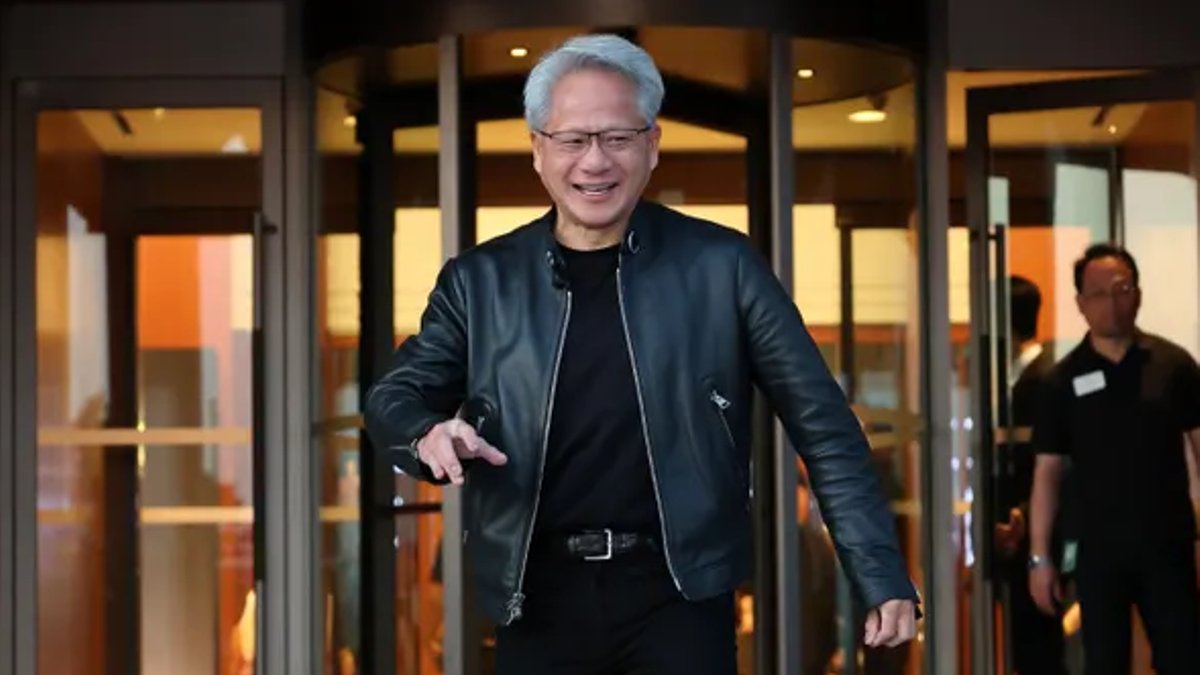
Nvidia, a global leader in value, has reinstated Jensen Huang as CEO and president, just days after his resignation amidst multiple scandals, prompting concerns about corporate governance and leadership accountability in 2026, with any one of these allegations typically making headlines as an example of poor employer practices.
A series of scandals
Huang faced allegations of extramarital affairs, including one with an external businessperson accused of spying for the Chinese government, and two with Nvidia employees. Reports also emerged of an abusive workplace culture, with Huang allegedly threatening subordinates, including a chilling threat to rip off an employee’s arms and beat them to death.
Despite these issues, Nvidia’s board reinstated Huang, citing satisfaction with his candor and leadership abilities. The company also concluded, after discussions with senior government officials, that Huang does not pose a national security risk. This decision stands in stark contrast to actions taken by companies like McDonald’s, which ousted Steve Easterbrook in 2019 for engaging in a relationship with an employee, and Nestlé, which removed Laurent Freixe for similar misconduct.
A challenge to HR norms
The decision has sparked concern among HR professionals. Johnny Taylor Jr., SHRM President and CEO, expressed confusion over the changing rules of acceptable conduct for CEOs. He questioned whether Nvidia’s board fulfilled its fiduciary responsibilities, especially regarding succession planning. For Pete’s sake, are we all suffering collective amnesia about 2025’s viral Coldplaygate moment?
The Council of Institutional Investors also weighed in, urging boards to address succession planning. They highlighted the risks associated with long-tenured, charismatic CEOs and the need for robust governance. A similar version of events played out at WeWork, which postponed an initial public offering in 2019 after former CEO Adam Neumann stepped down following allegations of drug use and general mismanagement of the company.
However, examples like Uber and WeWork show that companies can thrive even after the departure of controversial founders. Uber, under new leadership, achieved profitability after co-founder Travis Kalanick left amid accusations of a toxic culture.
Taylor emphasized the need for HR practitioners and boards to learn from this incident, advocating for stronger ethical standards and governance. He urged boards to recognize their responsibility in shaping organizational culture and leadership.
Nvidia’s press release stated that the board’s decision was based on conversations with senior government officials and an assessment of Huang’s leadership abilities.
A Troubling Precedent for Corporate Ethics
Nvidia’s decision to reinstate Huang raises broader questions about corporate ethics and accountability. This logic borders on absurdity, as no organization should compromise its reputation to accommodate one individual’s misdeeds.


