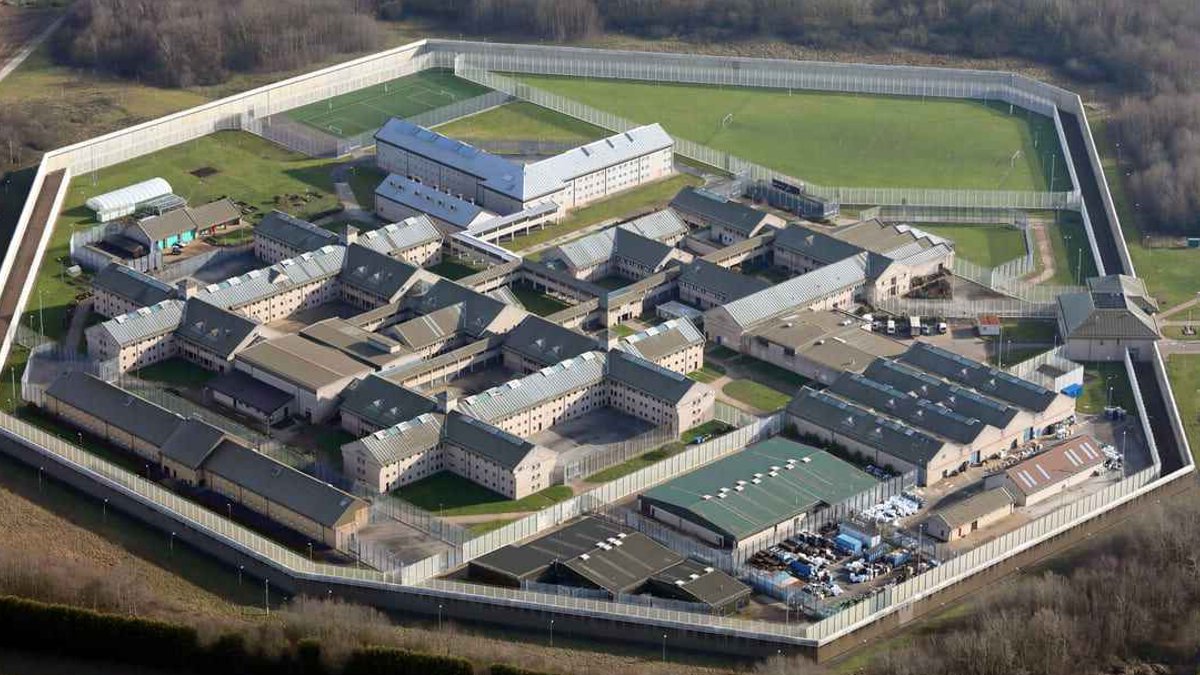
A prison officer was dismissed after a tribunal ruled her repeated actions constituted gross misconduct. The case involves Ms. Hayes, who worked at HMP Moorland in South Yorkshire from July 2018 until her termination in May 2025. Her employment ended following an investigation into multiple allegations of inappropriate conduct, including unwanted physical contact and sexually explicit comments directed at male colleagues.
Hayes returned to work in November 2023 after maternity leave, informing her line manager, Courtney Coulter, that her mental health was unstable. Despite this, her behavior toward colleagues worsened. In January 2024, several male staff reported to Coulter that Hayes had made them uncomfortable by grabbing or sitting on them. One incident involved Hayes asking a colleague in front of others whether he wanted to have sex with her.
Coulter met with Hayes to address the concerns, and the officer apologized, claiming she had not realized her actions were problematic. However, further complaints emerged. In May 2024, two male officers reported that Hayes had made sexually suggestive remarks during night shifts, including asking one to “spoon” her and later flashing her bra. She also pinched another officer after he asked her to stop touching him.
Read Also: Worker with Tourette’s wins £10k payout
Officer’s Suspension and Mental Health Claims
The prison’s deputy governor, Nick Gill, suspended Hayes on 5 June 2024 but allowed her to return to a restricted security team role after she disclosed living with an abusive ex-partner and experiencing severe anxiety. An occupational health assessment later concluded she was unfit for work due to depression and stress linked to the investigation.
A formal inquiry began on 6 June 2024, revealing additional incidents of sexualized behavior. Hayes was suspended on full pay on 18 July 2024, with the governor noting the seriousness of the allegations. During interviews in September and October 2024, she admitted to some misconduct but dismissed other incidents as “just a bit of flirting” or “banter.”
Her dismissal was finalized on 6 May 2025 after an appeal failed. Employment Judge Kirsty Ayre ruled that Hayes’ claim of unfair dismissal lacked merit, stating her repeated behavior—despite warnings—amounted to gross misconduct. The judge emphasized that Hayes should have understood workplace boundaries but continued engaging in inappropriate conduct.
Read Also: Burnham unveils tough new youth employment and welfare plans
Tribunal Upholds Strict Workplace Conduct Rules
Adam Parsons, a senior associate at Birketts law firm, stated the tribunal’s decision reinforced the need for employers to act promptly on complaints, document concerns thoroughly, and take appropriate action where workplace standards are breached. He added that behavior described as “banter” or flirting may still amount to harassment where it is unwanted or creates an uncomfortable working environment.
The dismissal followed a review of the National Offender Management Service’s conduct and discipline policy, which spells out that staff were expected to meet high standards of professional and personal conduct. It states: “Misconduct will not be tolerated and failure to comply with these standards can lead to action which may result in dismissal from the service.” It also states that staff “must not harass others through behaviour, language and other unnecessary and uninvited actions.”
The policy’s requirements were central to the tribunal’s assessment. It outlines that even perceived “banter” or flirting can constitute harassment if it creates an unwelcome environment. The tribunal noted that Hayes’ behavior, such as asking colleagues about sex in front of others, flashing her bra, and pinching staff, went beyond casual interaction. These actions were documented in multiple reports, including CCTV footage of an incident where she hugged or kissed a colleague without consent.
Read Also: GCC HR pros value human intuition in hiring
Mental Health Defense Fails in Dismissal Case
The tribunal also considered Hayes’ mental health claims during the disciplinary process. While occupational health concluded she was unfit for work due to severe anxiety and depression, the judge ruled that her dismissal remained fair. The assessment linked her symptoms to both personal stressors, including living with an abusive ex-partner, and the workplace investigation. However, the tribunal determined that her mental health did not justify repeated violations of professional conduct.
During her final interviews with prison operations manager John Grindle, Hayes acknowledged some misconduct but dismissed others as harmless. She described her actions as “just a bit of flirting” or “banter,” a framing the tribunal rejected. Grindle’s investigation report to Governor Sharon Hardy highlighted that Hayes’ behavior included unwanted sexual advances, comments, and inappropriate physical contact toward multiple male staff members.


