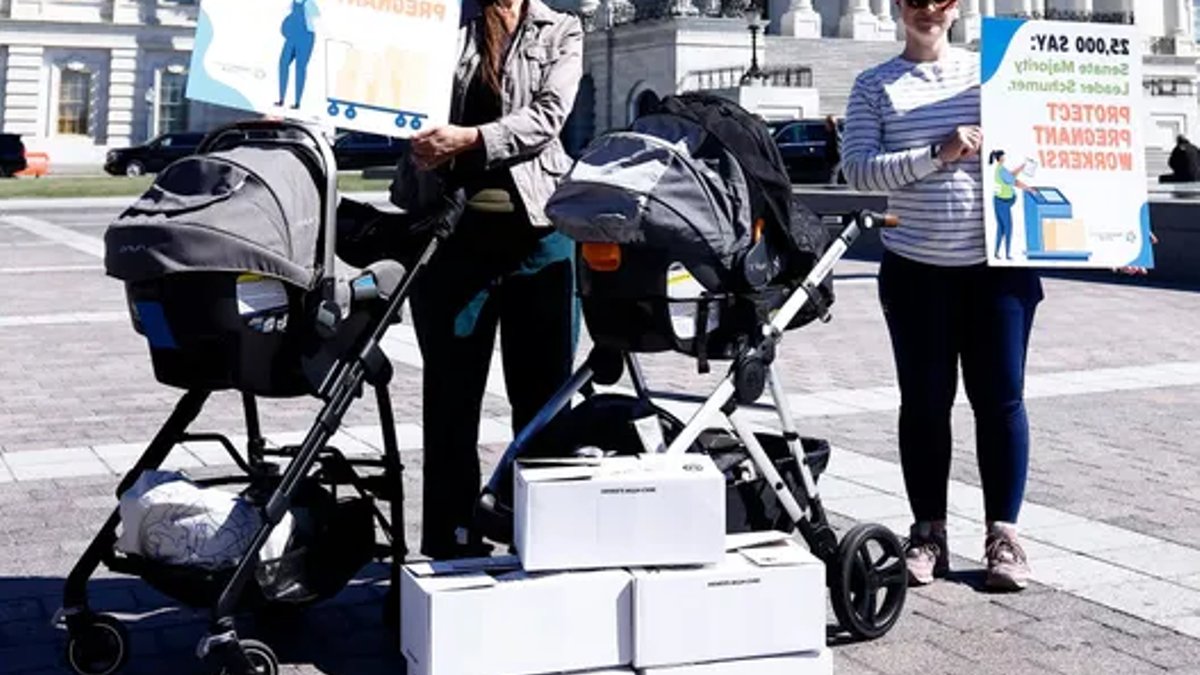
California is revising its workplace protections for pregnant employees after more than ten years, aligning state law with the federal Pregnant Workers Fairness Act, which became active in 2024. The proposed regulations, released by the California Civil Rights Department, specify that pregnancy-related medical conditions, such as postpartum depression, insufficient milk production, or chronic back pain, now qualify for legal protections. The updates also formally recognize remote work as a reasonable accommodation, easing access for employees requiring flexible schedules.
The new rules expand the list of approved healthcare providers who can certify an employee’s need for accommodations, now including registered nurses, doulas, and psychiatrists. Additionally, the proposal removes the requirement that bonding leave must be taken in fixed two-week increments, allowing parents greater flexibility in managing their leave. These adjustments reflect California’s long-standing role as a leader in employment regulations, ensuring state protections surpass federal standards.
Public comments on the proposed rules will be accepted through December 8, with a formal hearing scheduled for that same date. Kevin Kish, director of the California Civil Rights Department, stated that the changes address modern workplace demands, ensuring pregnant workers and new parents can maintain employment while meeting their health needs. Research indicates that 34% of fathers and 33% of mothers in the U.S. leave their jobs, either voluntarily or involuntarily, within six months of returning from parental leave, showing the difficulties many face in reconciling work and caregiving responsibilities.
The federal law establishes a minimum standard, but California’s approach may encourage other states to adopt similar measures. The proposed regulations emphasize practical adjustments, such as temporary role changes, modified tasks, or remote arrangements, as essential for supporting employees during pregnancy and early parenthood. While the final rules will depend on public feedback and legal review, the focus remains on adaptable solutions rather than inflexible policies.
Denny Chan, a council official, highlighted that the updates guarantee workers the right to leave and necessary adjustments to retain employment, closing a long-standing gap in protections. These revisions could serve as a model for how other states interpret federal requirements, particularly in sectors where workplace flexibility is vital. Employers will need to assess their policies if the rules are finalized, with the public comment period and hearing offering stakeholders a chance to influence the final version.


