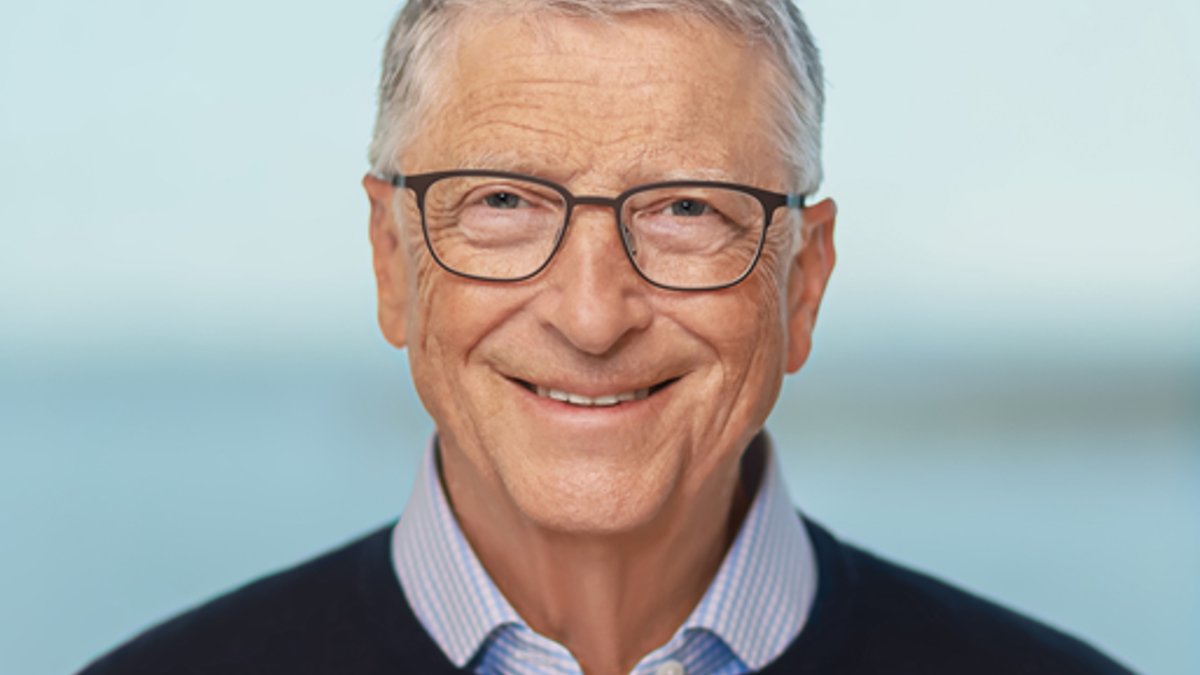
Bill Gates has warned that artificial intelligence may eliminate many jobs permanently and urged governments to consider reserving certain types of work for humans. The Microsoft co-founder stated in an essay released on Wednesday that AI and robotics will eventually impact both white-collar and manual labor, leading to significant employment disruptions. Gates, 70, explained that the technology stands apart from earlier automation because it can handle cognitive tasks once performed only by people. Without action, he believes economies may eventually support far fewer jobs.
Previous technological shifts ultimately created new roles that required human thinking. AI now threatens those same abilities. His concerns extend to professions in law, customer service, medicine, software, and manufacturing. Gates emphasized that policymakers must address employment consequences before widespread displacement occurs, rather than reacting afterward.
We need to plan now to minimize job losses so prosperity from AI can be shared,” he said. The impact may hit hardest for those unable to retrain or switch careers easily. Though Gates stepped down from Microsoft’s board in 2020, he continues advising the company on technology and maintains direct contact with OpenAI’s leadership. Microsoft first invested $1 billion in the ChatGPT developer in 2019, later expanding the partnership through multibillion-dollar commitments.
Related: Travel Essentials to Prepare Before Going to Mildura, Australia
Gates proposed creating a category called “Human Reserved” work—jobs or tasks society chooses not to automate, even when machines become capable. He likened the idea to nature reserves, where land is protected because its value outweighs potential economic benefits. Healthcare is one area where limits could apply. Gates cited his father’s experience with Alzheimer’s, arguing that some aspects of care remain inherently human.
He questioned whether machines should perform sensitive tasks simply because they can. “In health, imagine a robot delivering an incurable disease. There’s no technical barrier, yet it shouldn’t happen,” he wrote.
Employment is just one area where governments lack preparation for AI’s effects. Gates called for new domestic and international structures to address its impact on taxation, education, public health, and security. “The top priority is building a framework to manage AI’s consequences,” he wrote. The technology could become either the greatest equalizer or the worst source of injustice.
Related: How shadow work undermines your business strategy
His recent statements reflect a more cautious outlook than in 2023, when he predicted AI would mainly help people work more efficiently. At the time, he believed its employment impact wouldn’t match the Industrial Revolution’s scale. Now, he stresses the need for early preparation before displacement occurs.
Strategic training can help workers adapt to these changes. For those facing career shifts, emerging leaders may find new opportunities in evolving industries.


