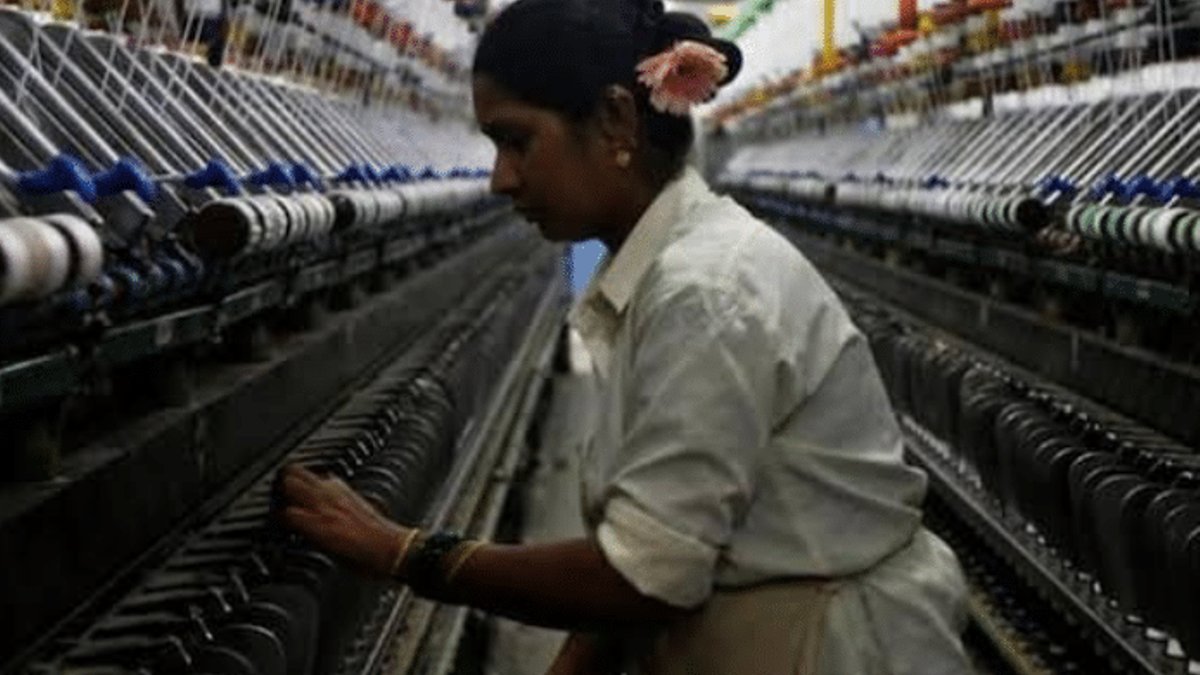
Between 2017-18 and 2025, India’s working women population surged to 201 million from 104 million, marking an almost twofold rise. Yet, this expansion has failed to deliver more stable, higher-paying positions for women, according to research by the Indian Council for Research on International Economic Relations (ICRIER). Instead, growth has centered on agriculture, self-employment, and unpaid family labour.
The report, titled The Participation Paradox: Women’s Work and Time-Use in India, 2017-18 to 2025, shows that while more women are employed, the quality of their work remains a concern. Most of the growth is in areas with lower earnings and less security, rather than regular salaried positions.
Rural areas drive workforce growth
The female worker population ratio rose from 22% in 2017-18 to 38% in 2025. This improvement was largely driven by rural India, where the ratio increased from 23.7% to 44.9%. In urban areas, the rise was more gradual, from 18.2% to 25.9%.
Agriculture remains a major employer for rural women. In 2025, 73.3% of employed rural women worked in the primary sector, up from 70.7% in 2017-18. The number of women in crop and animal production more than doubled, from 54 million to over 100 million.
Self-employment and unpaid work on the rise
The number of rural women working as own-account workers rose from 13.9 million to 56 million. Unpaid family workers increased from 28.8 million to 49.3 million.
In contrast, regular salaried employment for rural women grew from 7.9 million to 13.9 million. However, their share of total female employment dropped from 10.5% to 9.3%. A similar trend was seen in urban areas, where the proportion of women in regular salaried jobs fell from 52.2% to 50.9%.
Wage gap widens
The report highlights a growing wage disparity. In 2025, rural women earned an average monthly wage of Rs 6,596, compared to Rs 14,632 for men. This means women earned just 45% of men’s wages, down from 53% in 2017-18.
The wage gap widened from around Rs 4,200 to over Rs 8,000. In urban areas, women earned an average of Rs 15,646 per month, while men earned Rs 25,565.
Working hours have also declined. Rural women’s average weekly hours fell from 40 to 34, while men’s hours dropped from 50 to 47. This suggests that increased workforce participation has not led to more sustained or better-paid employment for women.
The report notes that women’s economic participation is hindered by unequal domestic responsibilities. Around 60% of women outside the workforce in 2025 cited childcare and household duties as their main reason for not working, compared to just 1% of men.
Women spent an average of 320 minutes daily on unpaid domestic tasks, such as cooking and cleaning, while men spent 97 minutes. Women also dedicated 144 minutes to unpaid care work, compared to 81 minutes for men.
The ICRIER study uses data from the Periodic Labour Force Survey and the Time Use Survey. It emphasizes that India’s female workforce growth should be measured beyond participation numbers. The focus must now shift to improving access to regular employment, reducing wage disparities, and addressing unpaid care work.


